Radiant Heating vs. Forced Air: Which System Is Best for Your Home?
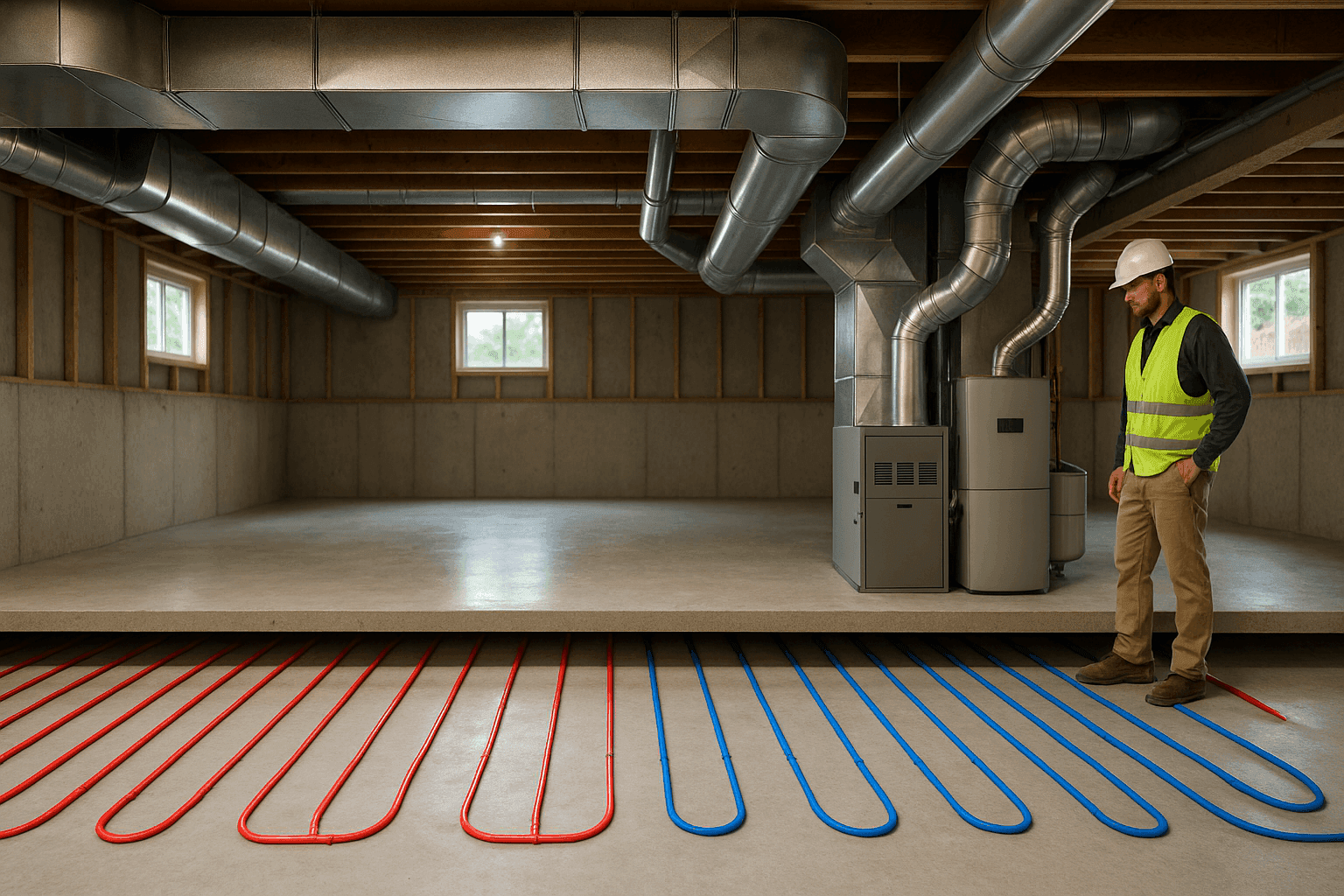
Stuck shivering in one room while another feels like a sauna? Picking the right heating system isn’t just about staying warm. It shapes your home’s air quality, comfort, and monthly bills. With so many options, it’s easy to feel overwhelmed.
At Heating, Cooling & Repair, we help homeowners make sense of the science and real-world details behind heating choices. Here, we’ll break down radiant heat and forced air—so you can invest in comfort that fits your home, your health, and your peace of mind.
How Radiant Heating Works 🏠
Imagine stepping onto a sun-warmed sidewalk. That gentle, even warmth is what radiant heating brings indoors.
Radiant heating systems transfer heat directly to floors, walls, or ceilings—often through hot water-filled tubes (hydronic), electric mats, or panels. The warmth rises gently, heating people and objects in the room, not just the air. No noisy fans. No dust tornadoes.
Key features:
- Consistent comfort: Even heat, with fewer cold spots.
- Silent operation: No blowers, no rattling ducts.
- Less airborne dust: Great for allergy-sensitive households.
- Types: Hydronic (water-based), electric, and sometimes even radiant ceiling panels.
According to the U.S. Department of Energy, radiant floor heating is among the most efficient ways to heat a residential space, especially when paired with high-efficiency boilers or geothermal systems.
How Forced Air Systems Work 🌬️
Forced air is the classic heating method you’ll find in most North American homes. Think of it like a gentle wind: a furnace heats air, then pushes it through ductwork and vents into each room.
Key features:
- Quick response: Rooms heat up fast.
- Multi-tasking: Same ducts can deliver cool air in summer.
- Easy filtering: Built-in spots for air filters, humidifiers, and air balancing near you.
- Variety: Works with gas, electric, or heat pump systems.
The EPA and ENERGY STAR recommend regular maintenance and air duct cleaning to keep forced air systems efficient and healthy for your home.
Comfort, Air Quality, and Efficiency Comparison
Comfort
Radiant heat wraps you in warmth from the floor up. No drafts. No noisy cycling. Rooms maintain a steady temperature, even as you move from one corner to the next. Forced air, meanwhile, heats air quickly—but that warmth can fade fast, leaving cold pockets, especially in drafty or poorly insulated homes.
Air Quality
Forced air systems can stir up dust, pollen, and pet dander. Even with good filters, air movement can aggravate allergies or asthma. Radiant heat, by contrast, doesn’t circulate air at all. That means less opportunity for airborne irritants to move from room to room—a big win for anyone sensitive to indoor air quality.
Efficiency
Radiant systems shine in energy savings, especially in open layouts or homes with high ceilings. By heating surfaces and people, not just air, less heat escapes with every door swing or window draft. Forced air systems can lose efficiency through leaky ducts, uneven air balancing, or poorly insulated attics. Still, a well-maintained furnace with modern controls can keep energy bills in check.
What The Experts Say
The American Society of Heating, Refrigerating and Air-Conditioning Engineers (ASHRAE) notes that radiant heating offers superior comfort at lower thermostat settings, potentially saving 10–30% on heating costs over air-based systems. However, the actual savings depend on installation quality and your home’s insulation.
Installation and Operating Costs 💰
Radiant Heating
- Upfront cost: Higher. Installing radiant heat (especially under floors) often means lifting flooring or working during major renovations.
- Operating cost: Lower, especially with efficient boilers or when paired with renewable energy.
- Maintenance: Minimal, but repairs can be invasive if leaks occur under floors.
- Lifespan: 25–35 years for hydronic systems, even longer for electric panels.
Forced Air
- Upfront cost: Lower, especially if ducts already exist.
- Operating cost: Varies—older systems waste more heat, but upgrades like smart thermostats and air balancing can help.
- Maintenance: Regular filter changes, duct cleaning, and blower inspections are essential.
- Lifespan: 15–20 years for furnaces, though ductwork can last longer with care.
Real-World Numbers
According to ENERGY STAR data, radiant floor installation can cost twice as much as a new furnace, but radiant systems may pay back over time with lower utility bills—especially in climates with long, cold winters.
Which System Fits Your Home? 🏡
Every home is different. Here’s how to decide what works best for you:
Radiant Heating: Best For…
- New builds or major remodels: Easy to install before flooring goes down.
- Open layouts: Even heat, no cold corners.
- Allergy or asthma concerns: No blown air or dust movement.
- Quiet, low-maintenance living: Once installed, few moving parts.
Forced Air: Best For…
- Existing ductwork: Lower installation cost if you already have vents.
- Quick fixes or emergencies: Easier to repair in a pinch—vital for emergency hvac needs.
- Mixed climates: Can use the same ducts for AC and heat.
- Tighter budgets: More affordable upfront.
Climate and Home Layout
- Cold, dry climates: Radiant shines—less heat lost, no drying out the air.
- Mild or mixed climates: Forced air offers flexibility for heating and cooling.
- Multi-story homes: Radiant reduces temperature swings between floors.
- Older homes: Forced air may be easier unless you’re planning a full renovation.
Practical Tips Before You Decide
- Check insulation: The best system in the world won’t help if your home leaks heat.
- Think long-term: Consider energy prices and how long you plan to stay in your home.
- Ask about rebates: Some states offer incentives for high-efficiency radiant or forced air systems.
- Consult local code: Certain radiant installs must follow building and safety codes—talk to a licensed professional.
- Factor in air balancing: Even with forced air, uneven heating can be fixed with professional air balancing near you.
FAQ
Q: Which system is better for allergies?
A: Radiant heating. No moving air, no dust clouds.
Q: Can I combine radiant and forced air?
A: Yes! Many homeowners use radiant for main living spaces and forced air for bedrooms or additions.
Q: What if my heating fails in the middle of winter?
A: Forced air is generally faster to repair in an emergency hvac situation, but both systems can be serviced 24/7 by experienced techs.
Q: Are radiant systems safe for kids and pets?
A: Absolutely—no hot surfaces or open flames. Just be sure all electrical work meets local code.
Local and Seasonal Considerations
Michigan winters? Radiant warmth feels like a cozy blanket. Arizona spring? Forced air lets you switch to cooling in a snap. Humid summers can stress both systems—pair with dehumidifiers or whole-house fans for best results. And always schedule annual maintenance to catch issues before the first cold snap.
Ready to upgrade your comfort or facing a chilly emergency? Call Heating, Cooling & Repair now — or reach us anytime at 888-831-6512 .