Preventing HVAC Breakdowns: Essential Seasonal Maintenance Tips
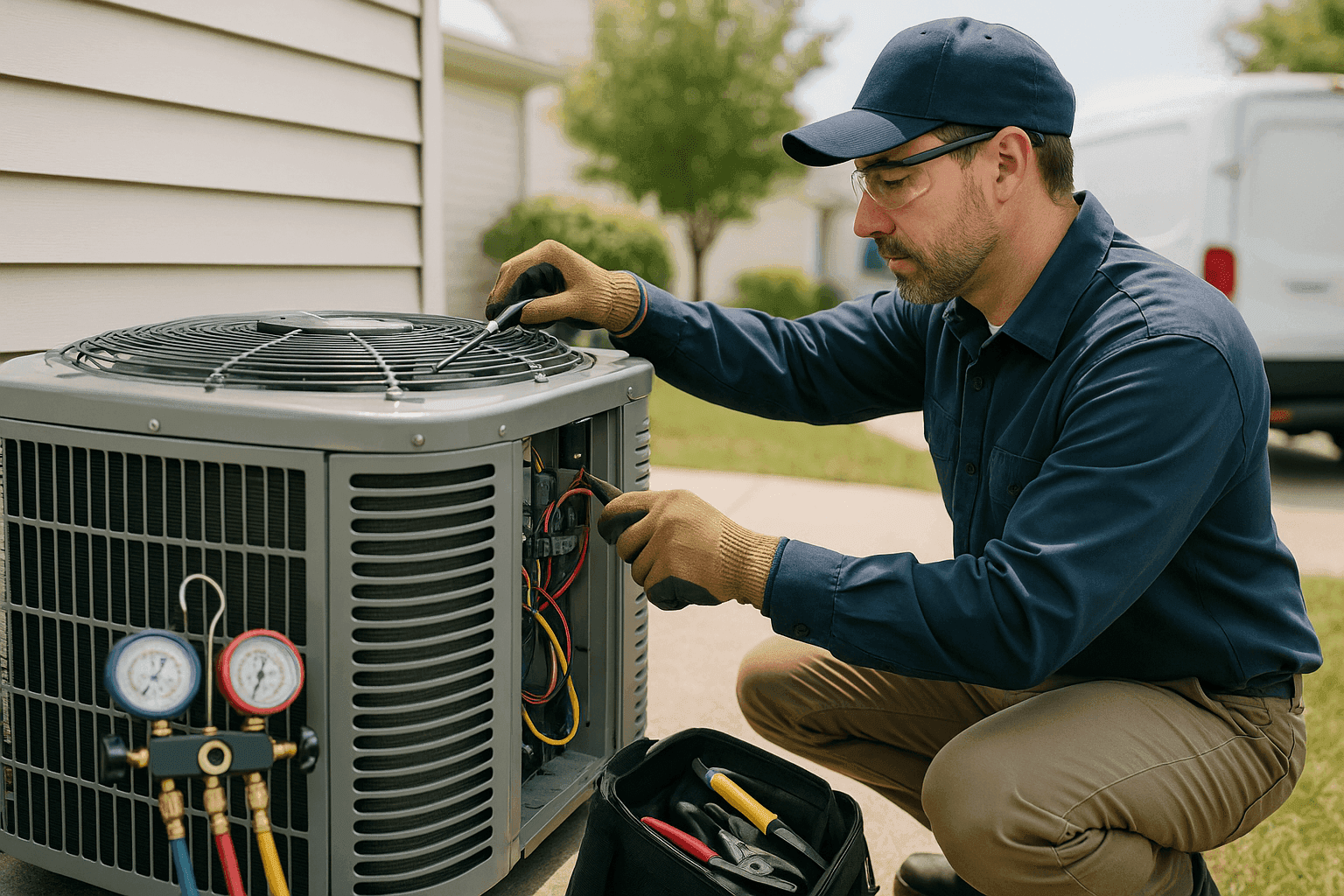
Every homeowner or small business owner knows the dread of a sudden HVAC breakdown. The air goes stale. The temperature rises or drops. Productivity and comfort take a hit. It’s a recipe for stress, especially when you need emergency hvac help at the worst possible time.
At All-Weather HVAC Solutions, we believe the best emergency is the one you never have. With the right seasonal maintenance, you can keep your heating and cooling systems humming along, save money, and breathe easier—literally.
Why Seasonal HVAC Maintenance Matters
Imagine your HVAC system as the heartbeat of your home or business. When it skips a beat, everything feels off. Regular, seasonal care is like a tune-up for your car—catching small issues before they become breakdowns.
Neglecting maintenance is a bit like ignoring the oil light on your dashboard. You might get by for a while, but eventually, something will give. And when it does, it’s rarely convenient.
The Real Cost of Waiting
- Higher utility bills from inefficient operation
- Shortened equipment lifespan
- Poor indoor air quality
- Increased risk of emergency hvac repairs
According to the U.S. Department of Energy, routine HVAC maintenance can improve system efficiency by up to 15% and extend equipment life. That’s peace of mind you can feel.
Quick Safety Checklist Before You Start 🛑
Before you roll up your sleeves or call for help, safety comes first. Here’s what to check:
- Turn off power to HVAC units at the breaker panel before inspecting or cleaning.
- Wear gloves and safety glasses when handling filters, vents, or sheet metal.
- Check for gas smells near furnaces or gas-powered systems. If detected, evacuate and call emergency services.
- Keep areas around equipment clear of clutter, chemicals, and flammable materials.
- Read your manufacturer’s manual for specific safety guidelines.
Spring: Prepping Your AC for Warm Weather
The first warm day shouldn’t be the first day you think about your air conditioner. Spring is the perfect time to get ahead.
Spring AC Maintenance Steps
- Replace or clean air filters. Dirty filters choke airflow and stress your system.
- Check the thermostat. Calibrate or upgrade to a programmable thermostat for better control.
- Inspect the outdoor condenser unit. Clear away leaves, sticks, and debris.
- Look for visible damage on refrigerant lines and insulation.
- Test system operation. Listen for strange noises or weak airflow.
- Clean supply and return vents. Dust and pet hair can block air movement.
- Schedule a professional tune-up. Pros check refrigerant levels, electrical connections, and more.
A well-maintained AC is like a sprinter at the starting line—ready to perform when the heat arrives.
Summer: Keeping Cool Under Pressure ☀️
When the heat is on, your cooling system works overtime. Summer maintenance helps you avoid sweaty surprises.
Summer Cooling System Checklist
- Monitor thermostat settings. Don’t overwork your system by setting temps too low.
- Check for ice buildup on refrigerant lines or coils. This signals airflow or refrigerant problems.
- Listen for odd sounds—rattles, bangs, or grinding mean something’s off.
- Inspect condensate drains. Clogged lines can cause water leaks and damage.
- Replace filters monthly if you have pets or allergies.
- Check attic and crawl space ventilation. Poor airflow raises temperatures and energy costs.
- Watch for weak airflow from vents. This could mean duct leaks or blower issues.
If your system struggles to keep up, it’s time to call in the pros before it breaks down completely.
Fall: Getting Your Furnace and Heating Ready
As the air turns crisp, your furnace or heating system takes center stage. Fall is all about preparation.
Fall Furnace & Heating System Tasks
- Change furnace filters. A fresh filter keeps air clean and systems efficient.
- Test the thermostat. Make sure it accurately reads and controls temperature.
- Inspect burners and heat exchangers for rust, cracks, or soot.
- Check carbon monoxide detectors. Replace batteries and test alarms.
- Clean and inspect ductwork for dust, mold, or leaks.
- Lubricate moving parts in older systems.
- Schedule a professional furnace inspection. Technicians can identify worn parts and safety issues.
A little attention in the fall keeps your home or business warm and safe all winter.
Winter: Preventing Cold-Weather Emergencies ❄️
Winter doesn’t just test your patience—it tests your HVAC system. When temperatures drop, the risk of breakdowns rises.
Winter Emergency Prevention Tips
- Keep vents and radiators clear of furniture, curtains, and rugs.
- Monitor for unusual smells or sounds from your heating system.
- Check for drafts around windows and doors. Seal leaks to reduce system strain.
- Inspect generator systems if you rely on backup power.
- Schedule mid-winter maintenance if your system runs nonstop.
- Know the signs of trouble: cold spots, weak airflow, or sudden shutdowns.
If your heat goes out, don’t wait—emergency hvac service is just a call away.
DIY vs. Calling a Pro: Where to Draw the Line
Some maintenance tasks are perfect for a handy homeowner or business owner. Others require a licensed technician.
DIY-Friendly Tasks
- Changing filters
- Cleaning vents and registers
- Checking thermostat batteries
- Clearing debris from outdoor units
Call a Pro For:
- Electrical or gas component inspection
- Refrigerant handling (EPA regulations apply)
- Ductwork repairs or balancing
- Furnace or AC installation
- Generator maintenance
- Deep cleaning or IAQ (Indoor Air Quality) testing
If you’re unsure, always err on the side of safety. The National Fire Protection Association recommends annual professional inspections for all heating equipment.
What Professionals Do On Arrival
When an All-Weather HVAC Solutions technician arrives, they bring more than just tools. They bring experience and a checklist designed to catch what others miss.
Standard Professional Maintenance Includes
- Inspecting and testing all system components
- Checking refrigerant levels and pressure
- Cleaning coils, burners, and fans
- Tightening electrical connections
- Calibrating thermostats and controls
- Testing safety switches and sensors
- Measuring airflow and balancing ducts
- Recommending upgrades or repairs as needed
Licensed technicians follow guidelines set by organizations like ASHRAE (American Society of Heating, Refrigerating and Air-Conditioning Engineers) and the EPA.
Prevention & Maintenance: Building Your Seasonal Checklist
Consistency is key. A personalized checklist helps you stay on track through every season.
Sample HVAC Maintenance Checklist
- [ ] Change air filters (every 1–3 months)
- [ ] Inspect thermostat operation
- [ ] Check and clear outdoor units
- [ ] Clean vents and registers
- [ ] Inspect ductwork for leaks
- [ ] Test system start-up and shut-down
- [ ] Schedule professional maintenance (spring and fall)
- [ ] Check carbon monoxide detectors
- [ ] Review energy bills for unusual spikes
Keep this list handy, and adjust as your system ages or your needs change.
Costs & Time Factors: What to Expect
Maintenance isn’t free, but it’s far less expensive than a major repair or replacement. Most routine tasks take less than an hour for a pro, while deep inspections or repairs may take longer.
- DIY filter changes: 10–15 minutes
- Professional tune-up: 60–90 minutes
- Duct cleaning: 2–4 hours, depending on size
- Emergency hvac repairs: Varies by problem and parts needed
Routine care can save hundreds—sometimes thousands—over the life of your system by preventing big problems before they start.
When It’s an Emergency: Signs You Need Help Now 🚨
Some HVAC issues can’t wait. If you notice any of these, call for emergency hvac service immediately:
- Complete loss of heating or cooling
- Strange burning smells or smoke
- Gas or refrigerant leaks
- Loud, persistent noises (banging, grinding, screeching)
- Water pooling around indoor units
- Carbon monoxide alarms going off
Delaying can put your safety and property at risk.
FAQ: Your HVAC Maintenance Questions Answered
How often should I change my HVAC filters?
Most filters should be changed every 1–3 months. If you have pets or allergies, check monthly.
Can regular maintenance really prevent breakdowns?
Yes. According to ENERGY STAR, annual maintenance can reduce the risk of breakdowns and improve efficiency.
Is it safe to clean ducts myself?
Light cleaning of vent covers is fine, but deep duct cleaning should be handled by professionals to avoid damaging the system or spreading dust.
How do I know if my thermostat is working correctly?
Test by setting the temperature a few degrees above or below the current room temp. If the system doesn’t respond, it may need recalibration or replacement.
Special Considerations for HVAC Maintenance
Every property is unique. If you have radiant heating, mini-splits, geothermal systems, or advanced air quality equipment, specialized maintenance may be needed. Always follow the manufacturer’s guidelines and consult a licensed technician for complex systems.
For businesses, regular maintenance can also help you meet workplace safety standards and protect valuable equipment and inventory.
Seasonal HVAC maintenance is more than just a checklist—it’s a smart investment in comfort, safety, and peace of mind. Don’t wait for the next emergency to take action.
Call All-Weather HVAC Solutions now — or reach us anytime at 888-831-6512 .