Preparing Your HVAC System for Winter: Essential Maintenance Tips
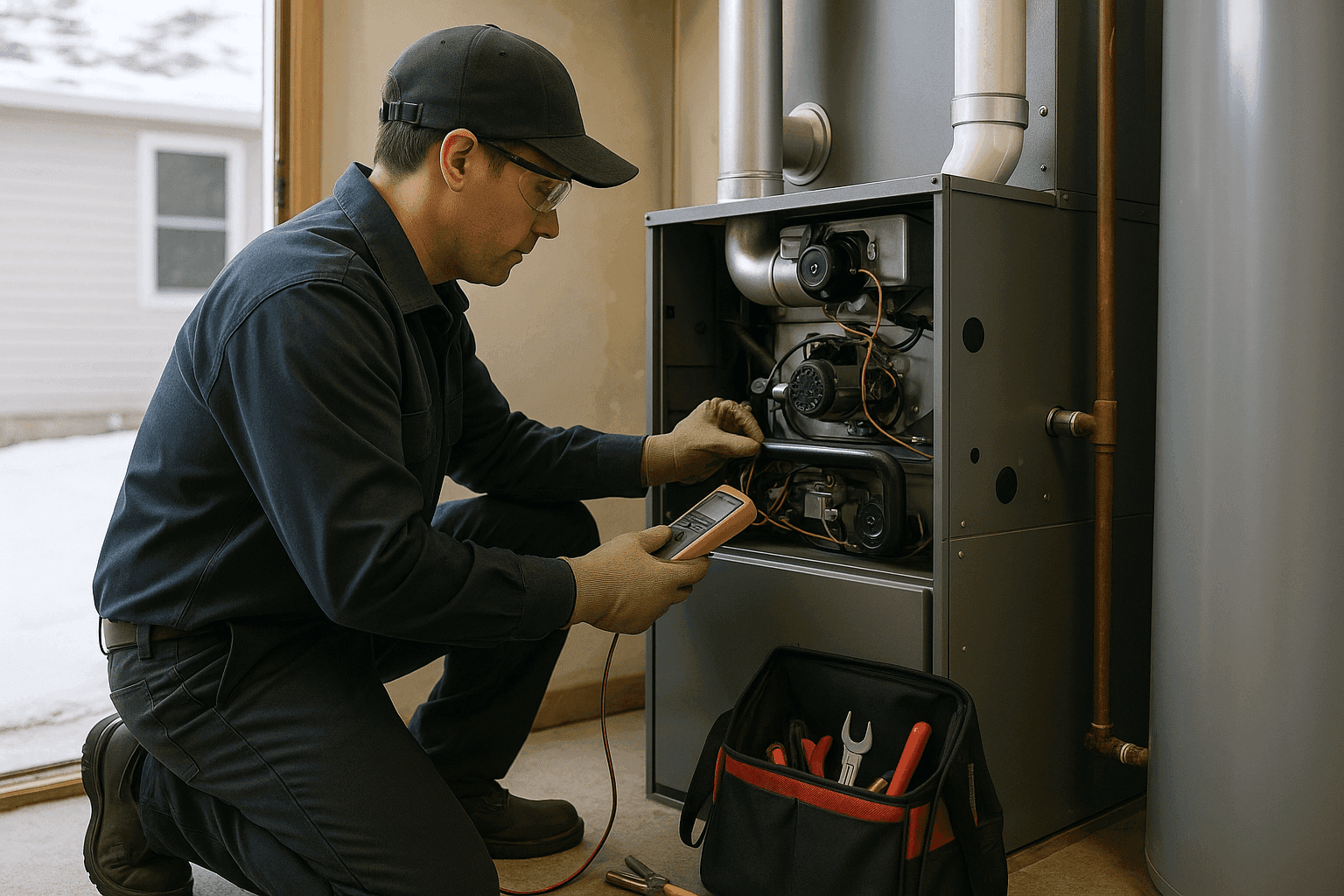
When the temperature drops and the wind howls outside, your comfort depends on a heating system that just works. No one wants to wake up shivering in the middle of the night or scramble for emergency hvac help during a cold snap. At All-Weather HVAC Solutions, we know how crucial it is to prepare your system before winter’s chill takes hold.
A little planning now can mean the difference between a cozy home and an unexpected breakdown. Let’s walk through practical steps to keep your furnace, air quality, and peace of mind intact all season long.
Why Winter HVAC Prep Matters
Think of your HVAC system as the heart of your home or business during winter. If it’s neglected, it can stall when you need it most—just like a car that hasn’t had an oil change. Regular winter maintenance keeps your system running safely, efficiently, and helps you avoid costly repairs.
A well-maintained furnace not only keeps you warm but protects against hazards like carbon monoxide leaks and frozen pipes. Plus, it can reduce energy bills and extend the life of your equipment. According to the U.S. Department of Energy, proper HVAC care can lower heating costs by up to 30%.
Quick Safety Checklist Before the Cold Hits ❄️
Before you fire up your furnace for the season, run through this quick safety checklist:
- Check your carbon monoxide detector: Test it and replace batteries if needed.
- Inspect visible wiring: Look for any frayed or damaged wires near your HVAC unit.
- Clear the area around your furnace: Remove boxes, cleaning supplies, or anything flammable.
- Examine your vents: Make sure all supply and return vents are unobstructed.
- Change your air filter: A clogged filter can choke airflow and reduce efficiency.
If you notice anything unusual—strange smells, noises, or error codes—don’t ignore them. These can be early warning signs of bigger issues.
DIY vs. Call a Pro: What’s Safe to Handle?
Some winter prep steps are safe for most homeowners and business owners:
- Changing air filters
- Cleaning dust from vents and registers
- Checking thermostat settings and batteries
- Clearing debris from around outdoor units
But when it comes to deeper tasks—like inspecting heat exchangers, calibrating gas pressure, or checking electrical connections—it’s time to call in a certified technician. These components require specialized tools and know-how to keep your system safe and up to code. The National Fire Protection Association (NFPA) recommends annual professional inspections for all fuel-burning heating systems.
What Pros Do When They Arrive
When All-Weather HVAC Solutions sends a technician for winter maintenance, here’s what you can expect:
Furnace Inspection and Tune-Up
- Check and clean burners, flame sensors, and ignition systems
- Inspect heat exchangers for cracks or corrosion (a major safety concern)
- Test for proper airflow and adjust blower components
- Lubricate moving parts to reduce wear
- Verify gas or oil connections for leaks
Thermostat Calibration and System Controls
- Ensure your thermostat is accurate and responsive
- Test safety controls and system shutdown features
Filter Replacement and Duct Cleaning
- Replace or upgrade air filters for better efficiency and air quality
- Inspect ductwork for leaks, debris, or mold
- Recommend professional duct cleaning if buildup is found
Generator and Emergency Readiness
- Test backup generators for reliable startup
- Check transfer switches and fuel levels
- Review emergency hvac procedures with you
Our technicians follow industry standards set by organizations like ASHRAE and the Air Conditioning Contractors of America (ACCA), so you know your system is in good hands.
Prevention & Maintenance: Your Winter Checklist
A stitch in time saves nine—especially with HVAC. Here’s a practical checklist to keep your system humming:
- Schedule a professional furnace inspection before temperatures drop.
- Change filters every 1–3 months (more often with pets or allergies).
- Seal any duct leaks with mastic or foil tape—not duct tape, which breaks down over time.
- Clean vents and registers to prevent dust buildup.
- Test your thermostat for accuracy, and consider upgrading to a programmable or smart model.
- Check attic and basement insulation to prevent heat loss.
- Inspect and clean your humidifier or dehumidifier as needed.
- Run your whole-house fan occasionally to balance air and prevent stale spots.
- Schedule IAQ (indoor air quality) testing if you notice musty smells or excess dust.
If you have a generator, test it monthly and keep it fueled and serviced. For businesses with commercial hoods or exhaust systems, schedule a cleaning to prevent fire hazards.
Costs & Time Factors: What to Expect
Winter HVAC maintenance is an investment in safety and comfort. Most professional tune-ups take 60–90 minutes, depending on your system’s complexity. Costs can vary based on the age of your equipment, the need for repairs, and any upgrades you choose (like high-efficiency filters or smart thermostats).
Neglecting maintenance can lead to much higher costs down the line—think emergency hvac calls, after-hours labor, or even equipment replacement. According to the Building Performance Institute, regular checkups can help you avoid up to 90% of unexpected breakdowns.
When It’s an Emergency: What to Do
If your heat stops working in the dead of winter, don’t panic. First, check your thermostat and circuit breakers. Replace batteries if needed. If your system still won’t start, call for emergency hvac service right away.
Signs you need immediate help:
- No heat or only cold air blowing
- Strange burning smells or smoke
- Carbon monoxide detector alarm
- Loud banging, screeching, or grinding noises
- Water pooling around your furnace
All-Weather HVAC Solutions offers 24-hour emergency service, so you’re never left in the cold. Our technicians are prepared for urgent repairs, even on nights, weekends, and holidays.
Frequently Asked Questions
How often should I replace my furnace filter in winter?
Most filters should be replaced every 1–3 months. If you have pets, allergies, or run your system constantly, check them monthly.
Can I do my own furnace maintenance?
Basic tasks like replacing filters and cleaning vents are safe for most people. For anything involving gas, electricity, or internal components, always call a licensed technician.
What’s the risk of skipping annual HVAC maintenance?
Skipping maintenance can lead to breakdowns, higher energy bills, poor indoor air quality, and even safety hazards like carbon monoxide leaks.
Are portable heaters a good backup?
Portable heaters can provide temporary relief but should never be left unattended or used as a primary heat source. Always follow manufacturer safety guidelines.
Special Considerations for Winter HVAC Service
- Older Systems: If your furnace is over 15 years old, have it inspected for signs of wear or inefficiency.
- Indoor Air Quality: Winter means closed windows, so dust and allergens can build up. Consider IAQ testing, duct cleaning, and air scrubbers for a healthier environment.
- Geothermal & Radiant Heating: These systems require specialized maintenance—always use technicians familiar with your setup.
- Sheet Metal & Ductwork: Leaky or poorly insulated ducts can waste up to 30% of your heated air. Seal and insulate ducts for better comfort and lower bills.
- Backup Power: If you rely on a generator, schedule regular maintenance and keep it fueled, especially in areas prone to winter storms.
Book Your Winter HVAC Checkup Today
Don’t let the cold catch you off guard. A little preventive care now can save you from big headaches—and cold toes—later. All-Weather HVAC Solutions is ready to help with all your winter heating needs, from routine tune-ups to emergency hvac service.
Call All-Weather HVAC Solutions now — or reach us anytime at 888-831-6512 .