How to Prepare Your HVAC System for Severe Weather Emergencies
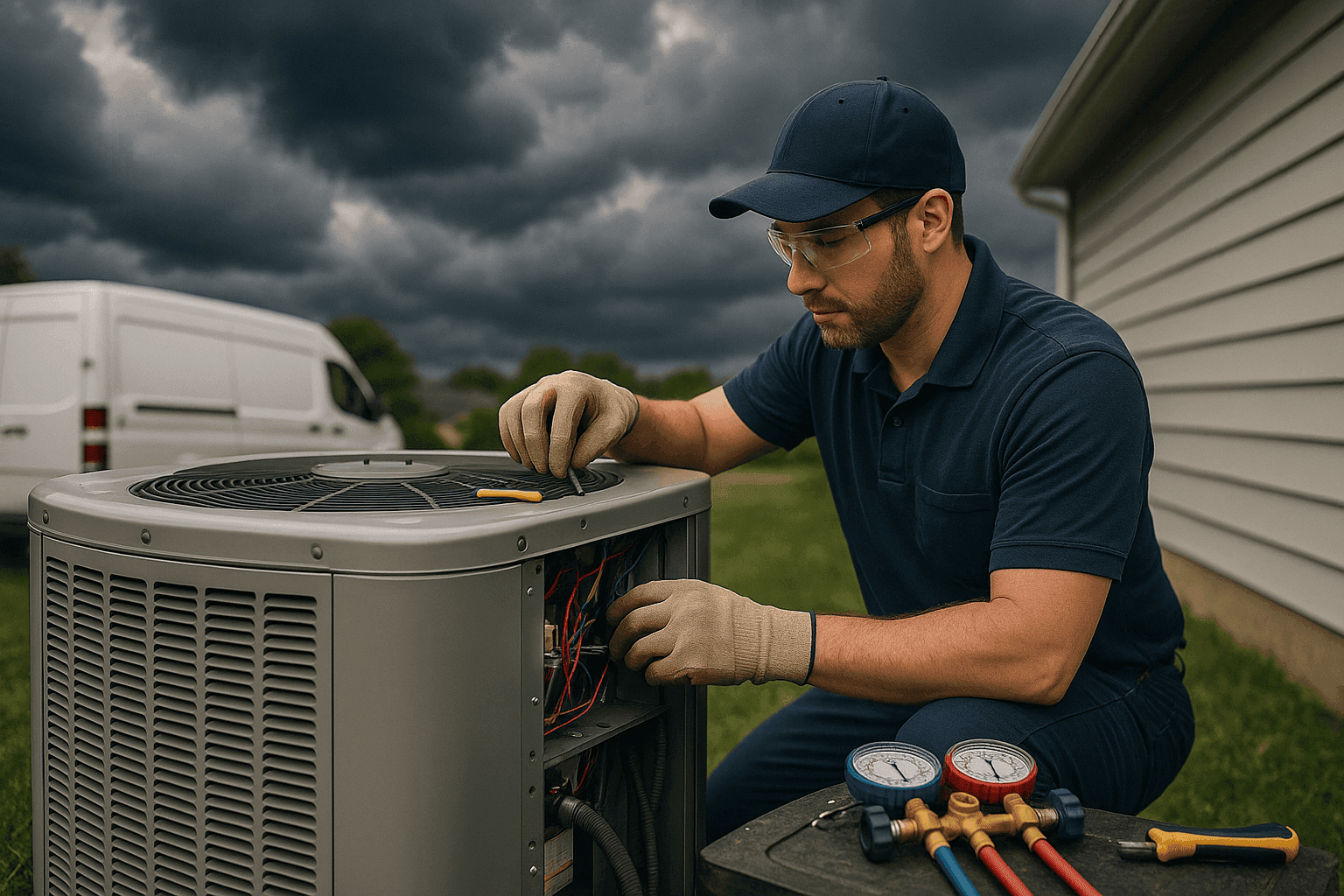
When wild weather hits, your comfort shouldn’t be left to chance. Storms, heatwaves, and deep freezes don’t care about your schedule—they show up unannounced, and your HVAC system has to be ready.
At All-Weather HVAC Solutions, we know that a little preparation can mean the difference between a cozy home and an emergency hvac call in the middle of the night. Let’s walk through what you need to know to keep your heating and cooling running strong, no matter what the forecast throws your way.
Why Preparing Your HVAC System Matters 🌪️
Severe weather is like an unexpected guest—if you’re not ready, things can get uncomfortable fast. Power outages, flooding, ice, and soaring temperatures all put extra stress on your HVAC equipment. Without preparation, you risk:
- Sudden breakdowns at the worst possible moment
- Unsafe indoor temperatures
- Poor indoor air quality
- Higher repair costs and longer wait times
Think of your HVAC system as the heart of your home’s comfort. When the weather turns rough, you want that heart beating strong.
Quick Safety Checklist Before Severe Weather Strikes
Before the storm clouds gather or the mercury plunges, check these essential tasks off your list:
- Inspect outdoor AC and heat pump units. Clear away debris, secure loose panels, and cover with a breathable cover if high winds are expected.
- Check your generator. Make sure it's fueled, tested, and ready to power critical systems during an outage.
- Change or clean filters. Clogged filters force your system to work harder—never ideal in extreme weather.
- Test your thermostat. Confirm settings and battery backup (if applicable).
- Seal and insulate exposed pipes. Especially important for furnace and boiler lines in freezing weather.
- Confirm sump pump operation. If you have one, test it to reduce flood risk.
- Secure all vents and exhausts. Ensure nothing is blocked or loose.
- Know how to shut off your HVAC system. In case of flooding or electrical issues, you’ll want to act fast.
DIY vs. Call a Pro: What You Can Safely Handle
Some tasks are safe for a handy homeowner or business owner. Others are best left to professionals with the right tools and training.
DIY Tasks:
- Removing leaves, sticks, and debris from around outdoor units
- Changing filters
- Checking thermostat batteries and settings
- Visually inspecting for obvious damage or loose wires (no touching!)
Call a Pro For:
- Electrical or refrigerant issues
- Ductwork inspections and cleaning
- Generator installation or major repairs
- Furnace or AC tune-ups
- Anything involving gas lines or carbon monoxide risk
When in doubt, safety comes first. If you’re not sure, it’s time to call All-Weather HVAC Solutions.
What Pros Do On Arrival
When you call in the experts for emergency hvac service or pre-storm maintenance, here’s what you can expect:
- Thorough inspection: We check every component—indoors and out—for wear, damage, or safety hazards.
- System performance testing: Ensuring your unit is running at peak efficiency.
- Electrical and gas safety checks: According to National Fire Protection Association (NFPA) and manufacturer guidelines.
- Drainage and airflow checks: Preventing water damage, mold, and poor air quality.
- Generator readiness: Verifying transfer switches and backup power for critical systems.
- Recommendations: Honest advice on repairs, upgrades, or adjustments to keep you safe and comfortable.
We follow industry standards from organizations like ASHRAE and ACCA to ensure your system is storm-ready.
Seasonal Maintenance: Prevention Is Power
Think of seasonal maintenance as putting on armor before a battle. Here’s how to prep for different threats:
Before Storms and Hurricanes
- Secure outdoor units with hurricane straps or brackets.
- Trim back trees and shrubs to prevent impact damage.
- Test sump pumps and drainage around your home or building.
- Unplug non-essential electronics to avoid power surges.
Before Freezing Weather
- Insulate exposed refrigerant and water lines.
- Schedule a furnace or boiler tune-up.
- Check for drafts around windows, doors, and ductwork.
- Set your thermostat to a constant, safe temperature (usually no lower than 55°F).
Before Heatwaves
- Clean condenser coils and check refrigerant levels.
- Change filters more frequently.
- Use programmable thermostats to reduce strain during peak hours.
- Consider adding portable dehumidifiers for extra comfort.
Year-Round Essentials
- Schedule professional inspections twice a year.
- Keep records of maintenance and repairs.
- Test carbon monoxide and smoke detectors.
- Replace filters every 1–3 months, depending on use and system type.
Emergency Safety Tips
When severe weather hits, keep these safety tips in mind:
- Don’t run your HVAC system if you suspect flooding. Water and electricity don’t mix.
- If you lose power, turn your system off at the breaker. This prevents damage when power is restored.
- Monitor indoor air quality. Use air scrubbers or portable filters if smoke or allergens are present.
- Check filters and vents after the event. Storms can clog or block them with debris.
- Watch for unusual noises or smells. These can signal hidden damage or electrical issues.
Costs & Time Factors
Emergency hvac repairs and storm prep can vary in cost and timing. Here’s what affects the bottom line:
- Type of service: Simple filter changes are quick and affordable. Major repairs or generator installs take longer and cost more.
- Parts availability: Severe weather can cause supply shortages.
- Access: Flooded or debris-blocked areas slow down repairs.
- After-hours/emergency rates: 24/7 emergency service is always available, but may have higher rates outside regular hours.
Planning ahead with regular maintenance usually costs less than an emergency repair—both in money and stress.
When It’s an Emergency
Some situations call for immediate action. Contact emergency hvac service if:
- Your system stops working during extreme temperatures (hot or cold)
- You smell gas or suspect a carbon monoxide leak—leave the area and call for help
- There’s visible sparking, smoke, or water near your HVAC equipment
- Your generator fails during an outage and you rely on it for medical or safety reasons
Never wait if you think your safety is at risk.
Frequently Asked Questions
How often should I schedule professional HVAC maintenance?
Twice a year—once before cooling season, once before heating. This keeps your system efficient and ready for anything.
Can I cover my outdoor AC unit during a storm?
Yes, use a breathable cover to protect from debris, but never wrap it tightly or leave the cover on when running the system.
What’s the best thermostat setting during a storm or heatwave?
Set your thermostat a few degrees higher in summer and lower in winter to reduce strain. Avoid big swings—steady is best.
Should I turn off my HVAC system during a power outage?
Yes. Turn it off at the breaker to prevent damage from surges when power returns.
Special Considerations for Homeowners and Small Businesses
If you run a business or have special needs at home (medical equipment, sensitive electronics, pets, etc.), talk with your HVAC professional about:
- Backup power: Generators or battery systems
- Air quality: Advanced filtration or air scrubbers, especially if you’re sensitive to allergens or smoke
- Zoned heating and cooling: For buildings with multiple areas needing different temperatures
- Regular air balancing: Keeps comfort consistent throughout your space
- Duct cleaning and IAQ testing: Especially after storms or flooding
Following the recommendations from the American Society of Heating, Refrigerating and Air-Conditioning Engineers (ASHRAE) and the Occupational Safety and Health Administration (OSHA) can help ensure your HVAC system meets safety and performance guidelines.
Preparing your HVAC system for severe weather isn’t just a checklist—it’s peace of mind. Don’t wait for the next storm or heatwave to test your luck. Schedule a professional inspection and maintenance service with All-Weather HVAC Solutions.
Call All-Weather HVAC Solutions now — or reach us anytime at 888-831-6512 .