Maximizing HVAC Lifespan: Essential Maintenance Tips for Homeowners
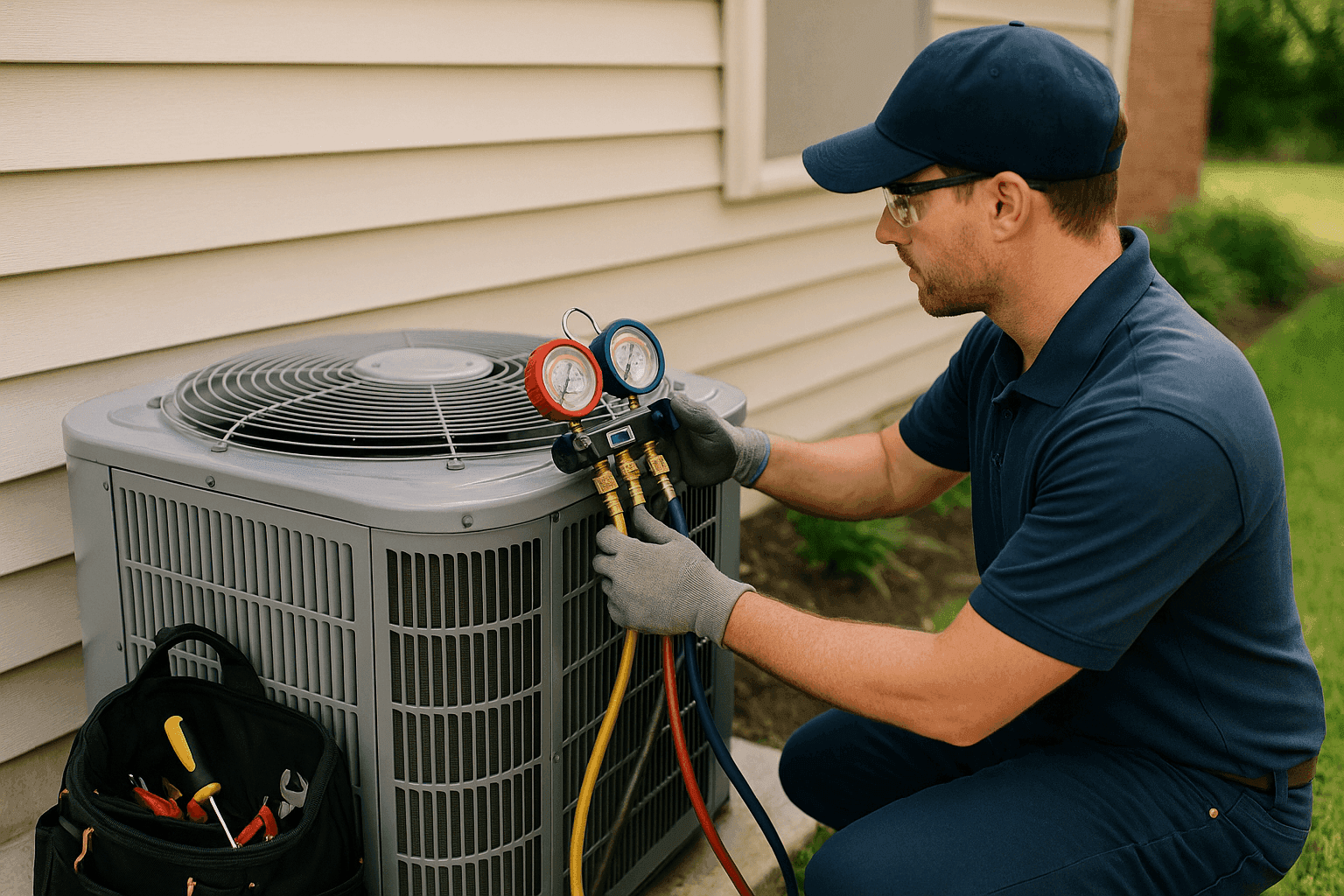
When your HVAC system is running smoothly, it’s easy to forget it’s even there. But the moment it falters—on a sweltering afternoon or a freezing night—comfort disappears fast. No one wants to be caught off guard by a sudden breakdown.
At All-Weather HVAC Solutions, we know how much depends on reliable heating and cooling. Your comfort, your safety, and your wallet all ride on how well your system is maintained. Let’s make sure you get the most out of your HVAC investment.
Why Regular HVAC Maintenance Matters
Think of your HVAC system like the heart of your home or business. It pumps comfort through every room. But, just like a car, it needs regular attention to keep running efficiently and avoid expensive surprises.
Routine maintenance isn’t just about preventing breakdowns. It means lower energy bills, better indoor air quality, and a longer lifespan for your equipment. According to the U.S. Department of Energy, well-maintained HVAC systems can reduce energy use by up to 15%. That’s money back in your pocket and fewer headaches down the road.
Quick Safety Checklist Before You Begin 🛑
Before you roll up your sleeves, safety comes first. Here’s a quick checklist:
- Power Off: Always turn off power at the breaker before working on your HVAC system.
- Let It Cool: Wait for moving parts to stop and hot surfaces to cool.
- Check for Gas Smells: If you smell gas, leave the area and call emergency hvac services immediately.
- Wear Gloves and Eye Protection: Protect yourself from sharp edges and debris.
- Read the Manual: Your system’s manual has vital safety and maintenance info. Keep it handy.
DIY vs. When to Call a Pro
Some maintenance tasks are as simple as changing a light bulb. Others? Not so much. Here’s how to tell the difference:
DIY-Friendly Tasks
- Change Air Filters: Swap them out every 1-3 months. Dirty filters choke airflow and strain your system.
- Clean Vents and Registers: Dust and vacuum regularly to keep air flowing freely.
- Check Thermostat Settings: Make sure your thermostat is set to your comfort level and working properly.
- Clear Outdoor Units: Remove leaves, dirt, and debris from around your AC or heat pump.
Leave It to the Pros
- Electrical Issues: If breakers trip or you notice flickering lights, call a licensed technician.
- Refrigerant Handling: Only certified professionals should handle refrigerants—it's the law (per EPA Section 608).
- Strange Noises or Smells: Banging, squealing, or burning odors mean it’s time for expert help.
- Annual Tune-Ups: Schedule professional maintenance at least once a year for both heating and cooling systems.
What Pros Do On Arrival
When you call All-Weather HVAC Solutions, our technicians follow a proven, industry-standard process:
- Full System Inspection: We check for leaks, worn parts, and safety hazards.
- Test Electrical Components: Ensuring safe, reliable operation.
- Calibrate Thermostats: For accurate temperature control and efficiency.
- Clean and Lubricate Moving Parts: Reduces friction and wear.
- Check Refrigerant Levels: Proper charge keeps your AC running cold.
- Inspect Ductwork: Looking for leaks, blockages, and buildup.
- Evaluate Air Quality: We can test for dust, allergens, and humidity issues.
We follow recommendations from organizations like ASHRAE (American Society of Heating, Refrigerating and Air-Conditioning Engineers) and adhere to all relevant safety codes.
Prevention & Maintenance: Seasonal Checklist
Staying ahead of the seasons is the best way to keep your HVAC system humming. Here’s a simple, actionable checklist for homeowners and small business owners:
Spring & Summer: Cooling Season
- Replace or clean air filters.
- Inspect and clean outdoor condenser coils.
- Ensure the condensate drain is clear.
- Check refrigerant lines for insulation.
- Test thermostat and cooling cycles.
- Trim vegetation at least two feet around outdoor units.
- Clean and adjust ceiling fans to spin counterclockwise.
Fall & Winter: Heating Season
- Replace or clean air filters.
- Inspect and test carbon monoxide detectors.
- Clean and inspect furnace burners and blower.
- Check pilot light or ignition system.
- Make sure vents and registers are open and unblocked.
- Inspect heat exchanger for cracks (a safety must).
- Reverse ceiling fans to spin clockwise for better heat distribution.
Year-Round Essentials
- Schedule professional maintenance at least once a year for both heating and cooling.
- Keep vents, ducts, and exhausts clear of dust and debris.
- Monitor your thermostat for accuracy.
- Listen for unusual noises or short cycling.
Costs & Time Factors
Maintenance doesn’t have to break the bank—or take all day. Most tune-ups take 1–2 hours, depending on system complexity. Regular filter changes cost a few dollars, while professional maintenance is a smart investment that can save you hundreds in repairs or lost efficiency.
Neglect, on the other hand, can lead to higher utility bills or even early system replacement—both far more expensive than regular care.
When It’s an Emergency
Sometimes, trouble strikes at the worst possible time. Here’s when you need emergency hvac service:
- The system won’t start or is blowing only hot or cold air, regardless of settings.
- You smell burning or gas odors.
- There’s water pooling around your system.
- Electrical issues like sparking, smoke, or tripped breakers.
- Temperatures inside are unsafe for people, pets, or sensitive equipment.
All-Weather HVAC Solutions offers 24-hour emergency hvac support to get you back to comfort—day or night.
FAQ: What Homeowners Ask Most
How often should I change my air filter?
Most filters need changing every 1–3 months, but homes with pets or allergies may need more frequent changes.
Is annual maintenance really necessary?
Yes! Regular checkups prevent small issues from turning into big, costly problems and keep your system running efficiently.
What’s the average lifespan of an HVAC system?
With proper care, most systems last 10–15 years. Maintenance is the key to reaching the upper end of that range.
Can I improve my indoor air quality with my HVAC?
Absolutely. Upgrading filters, adding air scrubbers, and scheduling duct cleaning all help reduce allergens and pollutants.
Special Considerations for Modern HVAC Systems
Today’s HVAC systems are more advanced than ever. Smart thermostats, high-efficiency filters, and zoned controls can boost comfort and efficiency—but they also require specialized knowledge to maintain.
If you have geothermal, radiant heating, mini-splits, or integrated generator systems, always consult a trained technician for maintenance and repairs. These systems involve unique components and safety considerations.
Don’t forget about indoor air quality! Regular IAQ testing and duct cleaning help keep your air fresh and healthy, especially if you have allergies or respiratory concerns.
Protect your comfort, your investment, and your peace of mind. Call All-Weather HVAC Solutions now — or reach us anytime at 888-831-6512 .