How Much Does HVAC Repair Cost? 2024 Pricing Guide
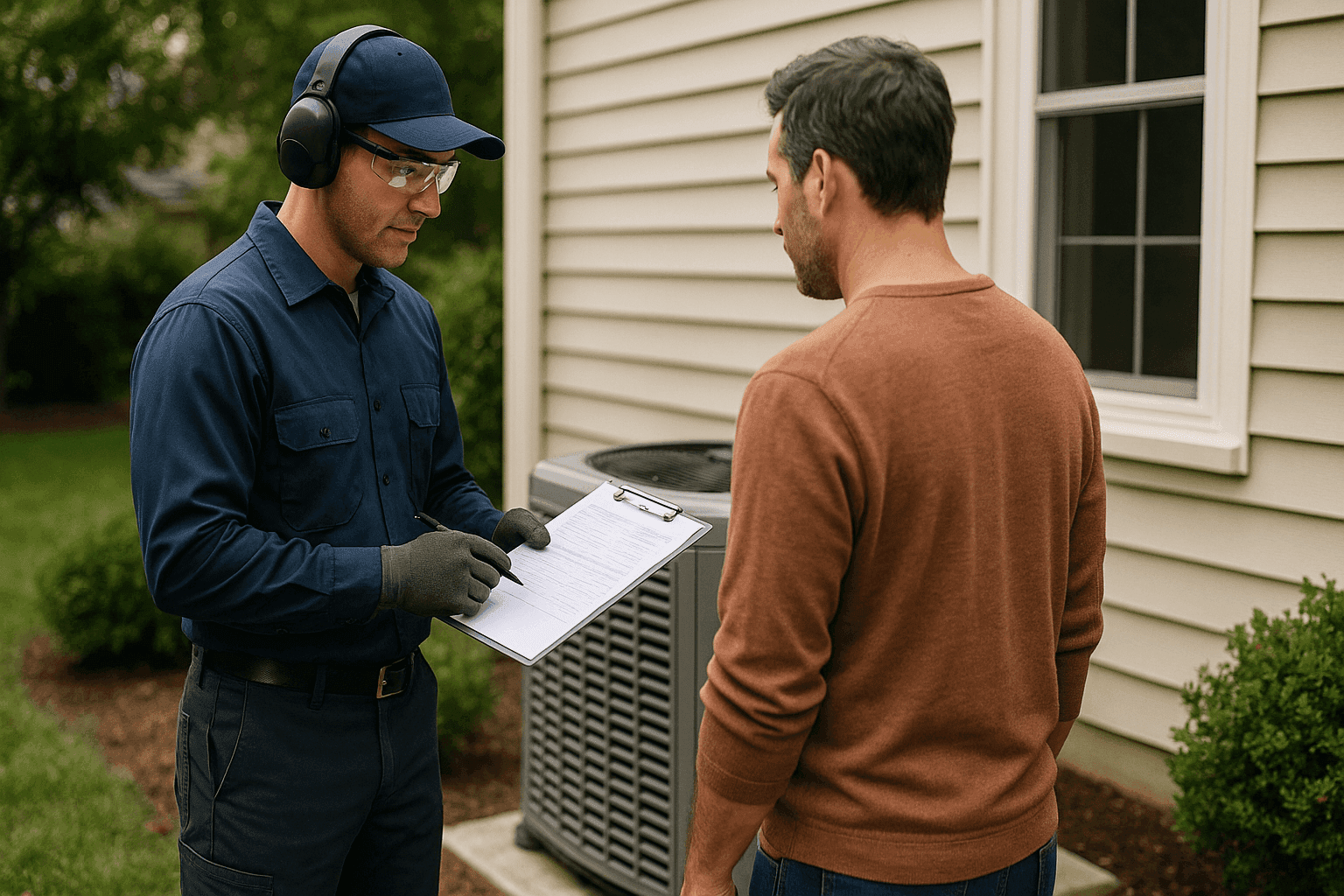
When your heater quits on a freezing night or your AC sputters out during a heatwave, every minute drags. You want answers, not surprises—especially when it comes to emergency hvac repair costs. At Heating, Cooling & Repair, we believe in transparency and giving you the real numbers, so you can plan, budget, and breathe a little easier.
This 2024 pricing guide breaks down what homeowners can actually expect to pay for HVAC repairs, what factors push prices up or down, and savvy ways to save on your next bill. Let’s get into the details.
Average HVAC Repair Costs in 2024 🛠️
There’s no single sticker price for HVAC repair. According to aggregated data from HomeAdvisor, the Air Conditioning Contractors of America (ACCA), and the Better Business Bureau (BBB), most homeowners in the U.S. pay between $175 and $600 for a typical repair visit. But that’s just the starting line.
- Minor fixes (think: thermostat replacement, capacitor swap): $75–$250
- Moderate repairs (blower motor, fan, circuit board issues): $250–$600
- Major repairs (compressor, refrigerant leaks, heat exchanger): $700–$2,500 or more
Emergency hvac calls—especially after hours or on weekends—can tack on an extra $150–$400. That’s the price of having a pro show up when everyone else is off the clock.
Your total might also shift higher or lower depending on the service—whether it’s AC repair, furnace repair, or something like Air Balancing near you.
Factors That Affect Pricing
Why such a wide range? HVAC repair costs are like a recipe, with a lot of ingredients:
- Parts: Some components (like filters or thermostats) are affordable. Others (compressors, heat exchangers) can cost hundreds.
- Labor: Skilled technicians are in high demand, especially for 24-hour emergency service. Labor rates vary by region and time of day.
- Complexity: A quick filter swap isn’t the same as hunting down an electrical short or replacing a blower motor.
- Unit age and type: Older or specialty systems (geothermal, mini-splits) often mean pricier repairs.
- Urgency: Needing someone at 2 a.m. for no heat in January? Expect an emergency hvac surcharge.
- Access: If your unit is in a crawlspace or attic, extra time and effort can add to the bill.
Local and seasonal factors matter, too. In peak summer or winter, demand spikes—sometimes so do prices.
Emergency vs. Scheduled Repairs 🚨
Emergencies never wait for a convenient moment. But is it really an emergency, or can you schedule a repair?
Emergency hvac repair is for situations like:
- No heat in the dead of winter (risk of frozen pipes)
- No AC in extreme heat (health concerns, especially for kids or seniors)
- Burning smells, sparks, or electrical issues
These calls cost more. You’re paying for rapid response and after-hours availability.
Scheduled repairs—for issues like a struggling blower, noisy operation, or poor airflow—are usually less expensive. You can book during normal business hours, avoid surcharges, and sometimes even get a discount for flexible scheduling.
How to Get Accurate Estimates
Not all quotes are created equal. Here’s how to get a clear, apples-to-apples comparison:
- Ask for a written estimate. Good providers list parts, labor, and any fees up front.
- Check for diagnostic fees. Some companies charge $75–$150 to diagnose the problem, which may be rolled into the final bill if you proceed.
- Request a breakdown. Get itemized pricing for each part and service.
- Ask about warranties. New parts often come with manufacturer coverage—make sure it’s included.
- Verify credentials. Look for licensing, insurance, and affiliations with groups like ACCA or the BBB.
Don’t be afraid to get a second opinion, especially for big-ticket repairs.
Ways to Save on Repair Bills 💡
Every homeowner wants to keep costs down without cutting corners. Here are proven strategies:
- Keep up with maintenance. Regular HVAC maintenance (like filter changes, duct cleaning, and heating tune-ups) can prevent pricey breakdowns.
- Catch issues early. If you hear strange noises or spot leaks, call before things snowball.
- Ask about membership plans. Some companies offer service plans with discounted rates and priority scheduling.
- Upgrade outdated systems. Sometimes, constant repairs add up to more than a new, efficient unit—especially for older furnaces or ACs.
- Get recommendations. Trusted friends, neighbors, and review platforms can point you to reputable providers.
According to the U.S. Department of Energy, simple steps like sealing ducts, using programmable thermostats, and replacing dirty filters can reduce repair frequency and save money on energy bills.
Regional & Seasonal Cost Variations
Where you live—and what time of year it is—can impact your repair bill.
- Colder regions: Furnace repairs are more common; parts and labor may cost more during winter surges.
- Hotter climates: AC repairs spike in summer, sometimes with higher demand pricing.
- Urban vs. rural: Travel time and access to parts can affect final costs.
- Seasonal promotions: Some companies offer off-season discounts for heating or cooling repairs.
Always ask if there are current specials or seasonal rates.
Frequently Asked Questions
How do I know if my repair is an emergency?
If there’s a safety risk (fire, gas, electrical issues) or you’re left without heating or cooling in extreme temperatures, it’s an emergency. Otherwise, most issues can wait for regular hours.
Will my homeowner’s insurance cover HVAC repairs?
Insurance typically covers damage from unexpected events (like storms), not wear and tear. Always check your policy.
How long does a typical HVAC repair take?
Minor fixes: 1–2 hours. Moderate repairs: 2–4 hours. Major repairs or special-order parts may take longer.
Should I repair or replace my old HVAC system?
If your unit is over 10–15 years old and needs frequent or costly repairs, replacement might make more sense. A home energy audit can help with this decision.
Key Takeaways for Homeowners
- Expect to pay $175 to $600 for most repairs, more for emergencies or major fixes.
- Prices depend on parts, labor, urgency, and your location.
- Always get itemized, written estimates from licensed providers.
- Preventive maintenance saves money in the long run.
For more details, the Air Conditioning Contractors of America (ACCA) and the Better Business Bureau (BBB) both recommend getting multiple quotes and checking credentials before hiring any HVAC company.
No one likes surprises—especially on repair bills. For honest, clear pricing and 24/7 emergency hvac help, reach out to Heating, Cooling & Repair.
Call Heating, Cooling & Repair now — or reach us anytime at 888-831-6512 .