Home Energy Audits: How to Boost HVAC Efficiency and Lower Bills
Is your home never quite the right temperature, no matter how much you adjust the thermostat? Are your energy bills climbing, but you’re not sure why? You’re not alone. Many homeowners face these frustrations—especially when seasons change or the weather swings from one extreme to another.
At Heating, Cooling & Repair, we understand how a comfortable, efficient home makes all the difference. That’s why we’re here to break down the real story behind home energy audits, and how they can transform both your comfort and your wallet.
What Is a Home Energy Audit? 🔎
Think of a home energy audit as a checkup for your house. Instead of a stethoscope and blood pressure cuff, technicians use tools like blower doors, thermal cameras, and airflow meters. The goal? To find out where your home is wasting energy—through leaks, poor insulation, or HVAC issues—so you can fix the problems and stop paying for energy you never use.
Energy audits are recommended by the U.S. Department of Energy (DOE) and Environmental Protection Agency (EPA) as a first step toward boosting efficiency and lowering utility bills. These audits cover everything from attic insulation and window drafts, to how well your furnace and air conditioner are actually performing.
How Audits Improve HVAC Performance
Most homes lose energy in small, invisible ways. It’s like trying to fill a leaky bucket with water—you can keep pouring, but it’ll never be full. Heating and cooling systems work harder to keep up, costing you more and wearing out sooner.
A professional home energy audit pinpoints:
- Leaky ducts that waste heated or cooled air
- Poorly sealed windows and doors
- Gaps in attic or wall insulation
- HVAC systems running below optimal efficiency
- Outdated thermostats or controls
By fixing these issues, your HVAC system doesn’t have to work overtime. That means lower bills, fewer emergency hvac breakdowns, and more consistent comfort—no matter the season.
Step-by-Step Audit Process
Wondering what actually happens during a home energy audit? Here’s what you can expect:
1. Initial Consultation
The auditor asks about your comfort issues, energy bills, and any problem areas—like rooms that are always hot or cold.
2. Visual Inspection
They’ll look at:
- Insulation levels in the attic, walls, and crawlspaces
- Windows and exterior doors for drafts
- Condition and layout of ducts and vents
- HVAC equipment age, maintenance, and filter status
3. Blower Door Test
This sets up a temporary fan in an exterior door, pulling air out of the house to measure how airtight your home is. Leaks reveal themselves—sometimes you can even feel the draft with your hand.
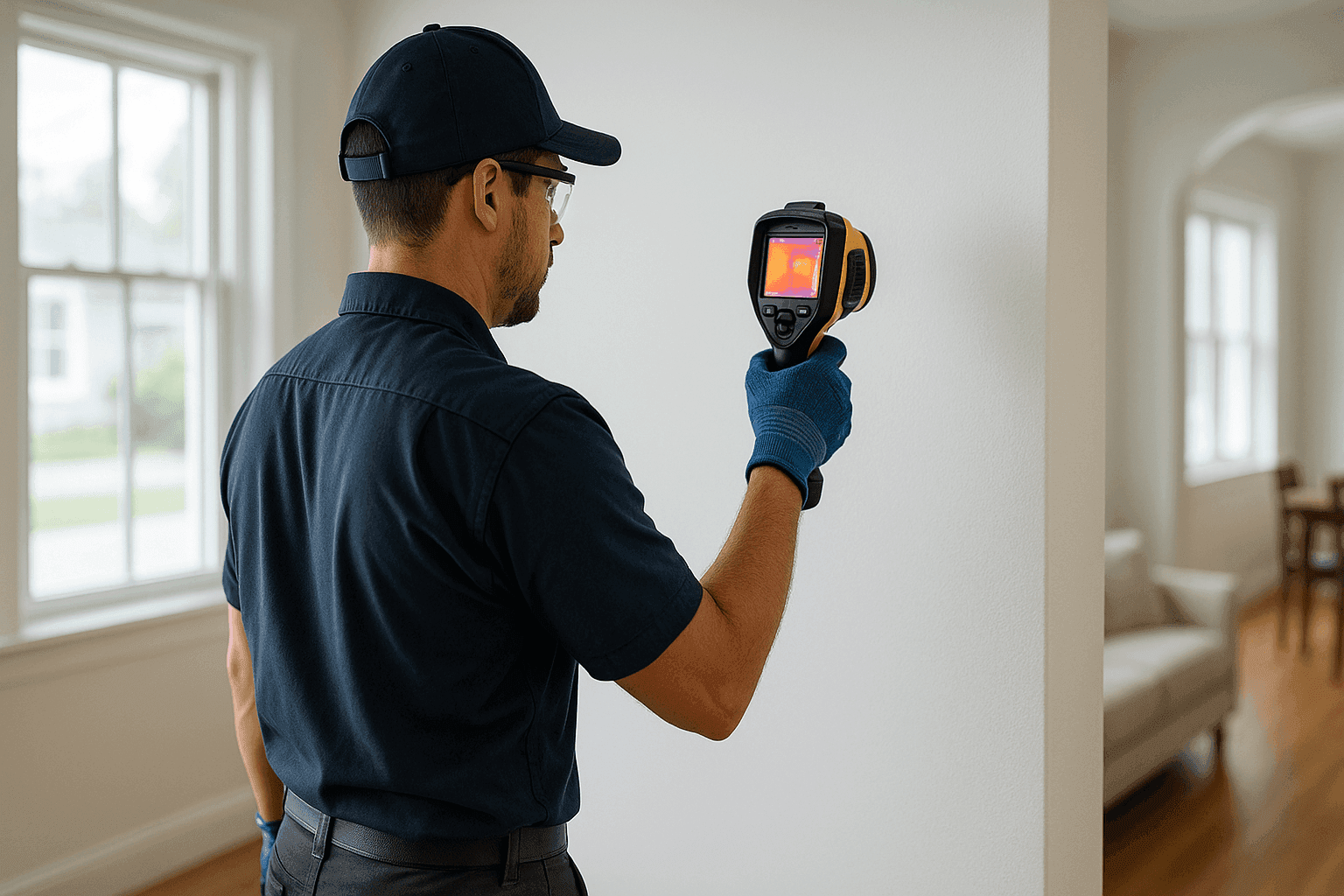
4. Thermal Imaging
Using an infrared camera, the auditor checks for cold spots (in winter) or hot spots (in summer) in walls, ceilings, and floors. These show where insulation is thin or missing.
5. HVAC System Assessment
They’ll check air balancing, airflow rates, filter condition, thermostat settings, and equipment safety. For many, this is the moment hidden problems with “air balancing near you” get found.
6. Homeowner Debrief
You’ll get a summary of findings and a list of recommended fixes—ranked by urgency and cost-effectiveness.
Key Findings and Solutions 🛠️
Every home is different, but some issues pop up again and again. Here’s what an audit often uncovers, plus practical ways to fix them:
Common Audit Discoveries
- Leaky ducts: Up to 30% of airflow can be lost through gaps or poorly connected ductwork.
- Missing or compressed insulation: Especially in attics and rim joists.
- Drafty windows/doors: Even tiny cracks can add up to major losses.
- Old thermostats: Manual models waste energy by running systems when you’re away.
- Dirty filters or neglected maintenance: Can choke HVAC performance.
Actionable Solutions
- Seal ductwork with mastic or metal tape, not duct tape (which breaks down).
- Add or replace insulation according to local climate guidelines (see DOE recommendations for your region).
- Weatherstrip doors and windows—a quick, low-cost fix.
- Upgrade to a programmable or smart thermostat for better control.
- Schedule regular HVAC maintenance and filter changes.
- Consider energy recovery ventilators, humidifiers, or dehumidifiers if air quality or moisture is a concern.
Many improvements, like caulking or filter changes, are DIY-friendly. Others—like duct sealing, advanced air balancing, or equipment upgrades—are best left to licensed professionals.
How to Choose an Auditor
Not all energy audits are created equal. Here’s how to find someone you can trust:
- Certification: Look for auditors certified by organizations like BPI (Building Performance Institute) or RESNET (Residential Energy Services Network).
- Experience: Ask if they specialize in residential homes and understand regional weatherization needs.
- Tools: Make sure they use blower door tests and thermal imaging, not just a clipboard.
- References: Check homeowner reviews and testimonials. For instance, clients of Heating, Cooling & Repair often mention how our thorough audits led to real, measurable savings and year-round comfort.
- Transparency: A good auditor explains findings in plain English and prioritizes solutions that fit your budget.
Regional & Seasonal Priorities 🏡
Homes in colder climates, like the Midwest or Northeast, benefit most from improved insulation and air sealing. In hot, humid regions, controlling moisture and boosting AC efficiency take center stage. Out West, where wildfires can impact air quality, air scrubbers and advanced filtration help keep your family safe.
No matter your local weather, a tailored audit means you get fixes that actually matter for your specific climate and comfort needs.
Practical Tips for Lasting Results
- Mark your calendar to change HVAC filters at least every 2–3 months.
- Walk your home each season to check for new drafts or visible insulation gaps.
- Ask about air balancing during your next emergency hvac or routine maintenance visit.
- Keep an eye on your energy bills—sudden jumps may mean something’s leaking, somewhere.
Citing the Pros
The U.S. Department of Energy’s [Home Energy Audits guide] and the EPA’s [ENERGY STAR recommendations] both stress the importance of professional audits for lasting savings and comfort. Codes and safety guidelines often require licensed, credentialed technicians for HVAC repairs and major upgrades.
Frequently Asked Questions
How long does a home energy audit take?
Most audits last 2–4 hours, depending on your home’s size and complexity.
Will I have to replace my HVAC system?
Rarely. Many issues involve sealing, insulation, or controls—not a total system swap. If your equipment is old or unsafe, though, your auditor will explain your options.
Is an energy audit really worth it?
For most homeowners, yes. Many see a 10–30% reduction in heating and cooling bills after making recommended changes.
Can I do my own audit?
You can spot some basic issues—like visible drafts or dirty filters—but a pro uses specialized tools to catch what you might miss.
Ready for Savings—and Comfort?
Stop letting energy slip through the cracks. A home energy audit is the first step toward a healthier, more efficient home. It’s not just about bills—it’s about breathing easier and living better, every season.
Call Heating, Cooling & Repair now — or reach us anytime at 888-831-6512 .