Duct Cleaning 101: Benefits, Process, and When to Schedule
Is the air in your home as clean as it could be? If you’ve ever wondered why your allergies get worse indoors, or noticed dust piling up no matter how often you clean, your air ducts might be trying to tell you something. At Heating, Cooling & Repair, we know clean ducts are the backbone of a healthy, comfortable home—especially when you need emergency hvac service at odd hours.
Let’s break down the value of duct cleaning, how it works, and how to spot the signs it’s time to schedule a professional. Your lungs (and your utility bill) will thank you.
Why Duct Cleaning Matters 🏠
Picture your ductwork like the lungs of your house. Every time your HVAC system kicks on, air—along with dust, pollen, and whatever’s lurking in your filters—moves through those passages. Over time, debris builds up. It’s not just unsightly; it can actually contribute to:
- More frequent allergy flare-ups and respiratory discomfort
- Stale, musty, or unpleasant odors
- Uneven heating and cooling (think hot and cold spots)
- Higher energy bills—your system has to work harder to push air through clogged ducts
The National Air Duct Cleaners Association (NADCA) sets the standard for safe, effective duct cleaning. They recommend periodic inspection, especially if you live near wildfire zones, deal with seasonal pollen, or are surrounded by urban dust.
Signs You Need Duct Cleaning
How do you know it’s time? Watch for these red flags:
- Persistent dust: Dust returns soon after cleaning, often visible around vents.
- Unexplained allergy symptoms: Sneezing, itchy eyes, or respiratory issues worsen at home.
- Odors you can’t trace: Musty, stale, or “dirty sock” smells when your system runs.
- Visible mold: Black or green spots inside ducts or on vent covers.
- Vermin or insect activity: Droppings or nesting material near ductwork.
- Air balancing issues: Some rooms feel stuffy while others are drafty.
If you check more than one box, it’s time to consider professional help. And if you’ve recently had construction, smoke from wildfires, or a new pet, your ducts are probably overdue for a checkup.
Professional Duct Cleaning Process
Wondering what actually happens during a service? Here’s what a reputable team—like Heating, Cooling & Repair—will do, following NADCA’s guidelines:
- Inspection: Technicians use cameras or mirrors to look inside your ducts, checking for buildup, blockages, or damage.
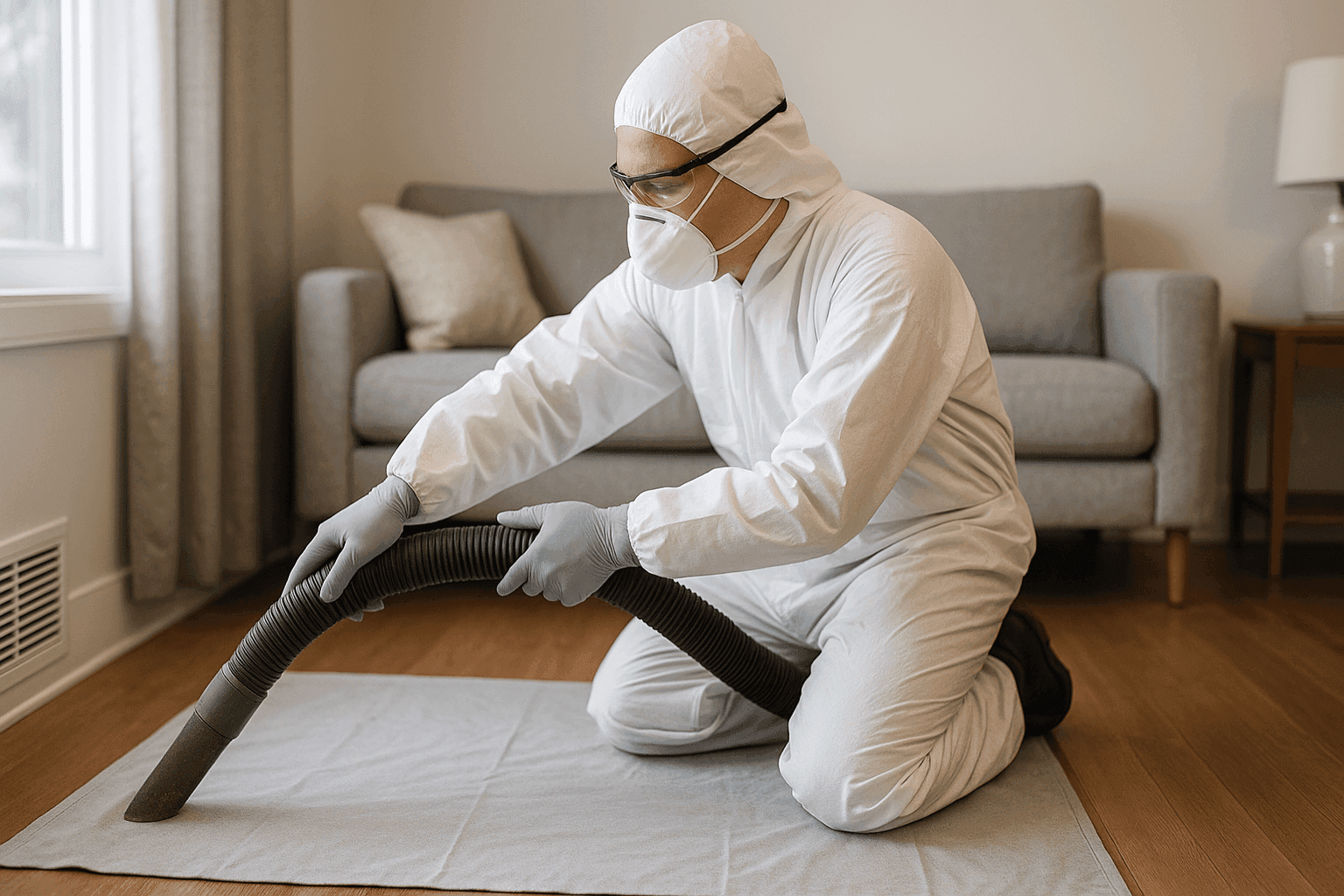
- Protecting your home: Covers are placed over furniture and flooring. Registers and vents are sealed for containment.
- Powerful vacuuming: Special high-powered vacuums collect debris without letting particles escape into your living space.
- Agitation tools: Brushes or compressed air tools dislodge stubborn dust and contaminants.
- Sanitizing (if needed): Only EPA-registered products, and only if there’s mold or bacteria—not as a default.
- Final walkthrough: Before and after photos may be provided, showing the difference.
Beware of “too good to be true” offers. NADCA warns against companies that promise whole-home cleaning for an unbelievably low price or skip a thorough inspection. Quality work takes time and proper equipment.
How Often Should Ducts Be Cleaned?
There’s no one-size-fits-all answer, but consider these guidelines:
- Every 3–5 years: Typical for most homes, per NADCA.
- Annually: If you have multiple pets, recent renovations, or live in high-pollen or wildfire areas.
- After major events: Flooding, smoke damage, or pest infestations require immediate attention.
Regular HVAC maintenance—like changing filters and scheduling Air Balancing near you—also helps keep ducts cleaner for longer.
Choosing a Duct Cleaning Service 🔍
When selecting a professional, keep these points in mind:
- Certification: Look for NADCA membership or similar industry credentials.
- Transparent process: The provider should explain their steps, equipment, and what’s included.
- References and reviews: Ask for before/after photos, or check verified customer feedback.
- No scare tactics: Avoid companies that pressure you with claims of “toxic mold” without evidence.
- Safety protocols: Technicians should follow CDC and EPA guidelines, especially for sanitizing.
A reputable emergency hvac provider will always prioritize your safety, comfort, and clear communication.
Quick Safety Checklist
Before your appointment:
- Replace or check your air filter.
- Secure pets and valuables.
- Clear space around vents and registers.
- Confirm technician credentials and insurance.
- Ask about the cleaning process and time estimate.
A little prep goes a long way for a smooth, effective service.
DIY vs. Call a Pro
Some homeowners tackle vents with a vacuum or duster, but full duct cleaning is a job for the pros. Why?
- Depth: Household vacuums can’t reach deep buildup.
- Tools: Pros use negative air machines and rotary brushes.
- Know-how: Technicians spot leaks, mold, and airflow issues the untrained eye might miss.
- Safety: Incorrect DIY can damage ducts or release more dust.
For peace of mind (and clean air), professional service is the safest route.
What Pros Do On Arrival
Expect your technician to:
- Review your concerns and any allergy symptoms
- Inspect the HVAC system, ductwork, and vents
- Set up containment, vacuums, and agitation tools
- Show you before/after images (if available)
- Suggest maintenance tips for lasting results
No rush, no shortcuts—just careful, thorough work.
Prevention & Maintenance
Want to keep your ducts cleaner, longer? Try these tips:
- Change HVAC filters every 1–3 months, or as directed
- Schedule regular HVAC maintenance—including Air Balancing near you
- Keep vents and returns unblocked by furniture or drapes
- Use high-efficiency filters if you have allergies or pets
- Dust and vacuum regularly, especially near registers
Remember, clean ducts help your whole HVAC system run smoother.
Costs & Time Factors
Duct cleaning costs and timelines can vary based on:
- Size and layout of your home
- Level of contamination (dust, mold, debris)
- Access to ductwork (crawlspaces, attics)
- Number of HVAC systems
Most professional jobs take 2–5 hours for an average home. Be wary of anyone promising a full service in under an hour—it’s likely not thorough.
When It’s an Emergency
Sometimes, duct cleaning can’t wait. Call for emergency hvac help if you notice:
- Sudden, severe mold growth
- Vermin infestation in ducts
- Smoke or soot after a wildfire or fire event
- Unusual, persistent chemical smells
Quick action can protect your family’s health and prevent further system damage.
FAQ
How do I know my ducts were actually cleaned?
Ask for before/after photos, and check for visible dust or debris at vent openings. Reputable companies will show you what they find.
Will cleaning my ducts improve my HVAC efficiency?
Yes—removing blockages and buildup allows your system to move air more freely, potentially lowering your energy bills.
Can duct cleaning help with allergy symptoms?
It can, especially if your system is distributing dust, pollen, or pet dander. Pair duct cleaning with filter upgrades for best results.
Are chemicals used during duct cleaning?
Only EPA-approved sanitizers are used, and only when necessary (such as for mold). Most routine cleanings don’t require them.
Local and Seasonal Considerations 🌬️
Wildfire season? High pollen counts in spring? Urban construction nearby? Your home faces unique air quality challenges throughout the year. After smoke events, allergy seasons, or dust storms, consider scheduling a duct inspection. Even in milder climates, urban dust and pet dander can settle deep in your system.
Regular attention keeps your indoor air fresh, no matter what’s happening outside.
When the air you breathe matters most, don’t wait for problems to pile up. For honest answers, expert guidance, and reliable 24/7 emergency hvac service, Call Heating, Cooling & Repair now — or reach us anytime at 888-831-6512 .