Dehumidifiers vs. Humidifiers: Choosing the Right Solution for Your Home
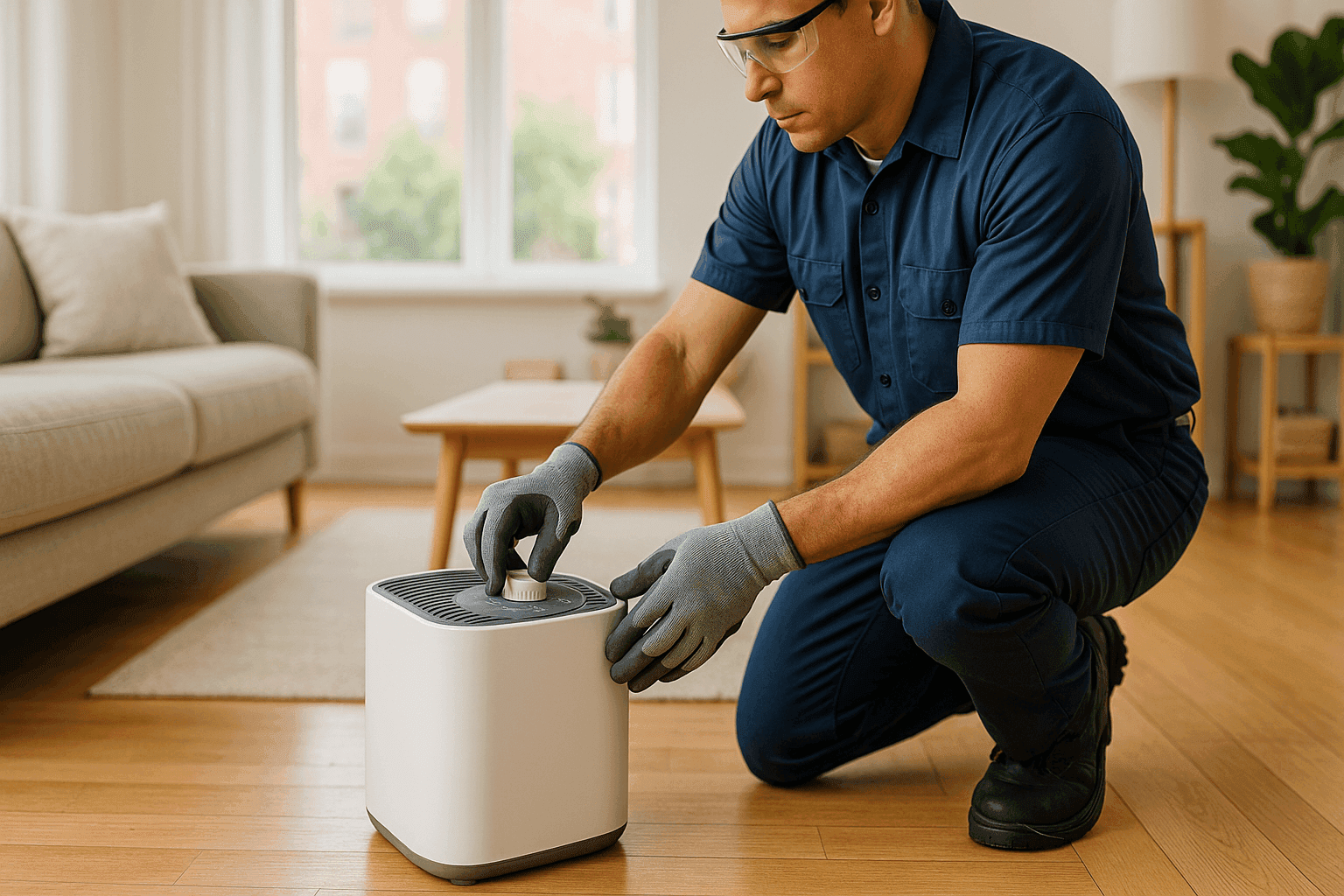
Finding the right balance in your home’s air can feel like walking a tightrope. Too dry, and you notice itchy skin, static zaps, and a scratchy throat. Too damp, and suddenly you’re fighting musty smells, clammy sheets, or even mold. This isn’t just about comfort—it’s about your family’s health.
At Heating, Cooling & Repair, we know that air balancing near you is more than a buzzword. It’s a safeguard for your home, especially during those humid summers or bone-dry winters. Let’s break down the difference between dehumidifiers and humidifiers, and help you choose what fits your home best.
The Role of Humidity in Home Comfort 🌡️
Humidity is like the seasoning of your indoor air. Get it just right—between 30% and 50%, according to the CDC—and your home feels fresh, your lungs breathe easy, and your furniture lasts longer. But sway too far in either direction and things get uncomfortable fast.
- Too much humidity: Think of steamy bathrooms or sticky basements. High humidity can warp wood, peel paint, and invite mold and dust mites. The EPA warns that excess moisture can trigger allergies, asthma, and even structural damage.
- Too little humidity: Picture static shocks, chapped lips, and creaky floorboards. When winter air dries out your home, viruses spread more easily and your skin begs for relief.
Balancing humidity isn’t just about comfort. It’s about keeping your loved ones healthy and your house in good shape.
Signs Your Home Needs a Humidifier or Dehumidifier
Not sure where your home stands? Look for these telltale clues:
When You Might Need a Dehumidifier
- Musty smells in basements or closets
- Condensation on windows, especially in summer
- Damp, sticky feeling in the air
- Visible mold or mildew
- Warped wood floors or furniture
When You Might Need a Humidifier
- Dry, itchy skin
- Frequent nosebleeds or sore throats
- Static electricity everywhere
- Cracking paint, wood, or musical instruments
- Worsening allergy or asthma symptoms in winter
If you’re still unsure, indoor air quality (IAQ) testing can help pinpoint the problem. Professional HVAC repair teams (like ours) can measure humidity and make recommendations tailored to your home.
How Each Device Works
Let’s peek behind the curtain at how these machines work their magic.
Dehumidifiers: Pulling Water from the Air
Dehumidifiers act like invisible towels, soaking up excess moisture from the air. They pull humid air in, cool it (condensing the water into a tank or drain), then fan out drier air. Some models even connect to your HVAC system for whole-house coverage.
Key benefits:
- Prevent mold and mildew
- Reduce allergy triggers
- Protect furniture, books, and electronics from moisture damage
Humidifiers: Adding Gentle Moisture
Humidifiers do the opposite—they add a fine mist or steam to dry air. There are several types:
- Evaporative: Use a wick and fan to release moisture
- Ultrasonic: Vibrate water into an ultra-fine mist
- Steam vaporizers: Heat water to produce warm steam
Humidifiers are lifesavers in winter, especially in homes with forced-air heating or radiant heating. Properly used, they help soothe dry skin, protect wood, and make the air feel warmer (so you can even lower the thermostat a notch).
Choosing the Right Size and Placement
Getting the right device is just half the battle. Size and location matter—a lot.
Sizing a Dehumidifier or Humidifier
- Too small: Won’t keep up, leaving air damp or dry.
- Too large: Can waste energy, overcorrect, or even promote mold with a humidifier.
Manufacturers list coverage in square feet. Measure your space and check the device’s capacity. For whole-home solutions, consult an emergency HVAC technician for proper sizing—especially if you have high ceilings, open floor plans, or unique challenges like a finished basement.
Smart Placement Tips
- Dehumidifiers: Place in damp-prone areas—basements, laundry rooms, or anywhere moisture lingers. Avoid corners or walls; leave space for airflow.
- Humidifiers: Central rooms work best. Keep away from electronics or direct sunlight. If using a portable unit, move it as needed, but always check the water tank and filters.
If you’re unsure, a home energy audit can help map out problem zones and suggest the best locations.
Maintenance and Health Tips
Just like you wouldn’t drink from a dirty glass, you don’t want to run a neglected humidifier or dehumidifier. Poor upkeep can backfire—spreading mold, bacteria, or dust instead of clean air.
Maintenance Checklist
- Clean regularly: Empty and scrub tanks every few days. Wipe down surfaces to prevent mold.
- Change filters: Follow manufacturer schedules. Clogged filters reduce efficiency and air quality.
- Check humidity settings: Use a hygrometer to monitor levels. The CDC recommends 30–50% for most homes.
- Inspect for leaks: For whole-home units attached to HVAC or plumbing, watch for water leaks or clogs.
Health Considerations
- Never let water sit in tanks for days—standing water breeds germs.
- For allergy sufferers, use distilled water in humidifiers to reduce mineral dust.
- Dehumidifiers are especially helpful in humid climates where mold and dust mites thrive.
- In dry winter regions, humidifiers can help prevent respiratory illnesses and soothe symptoms.
If you ever notice strange odors, visible mold, or worsening allergies, stop and clean your devices immediately. When in doubt, call a professional for HVAC repair or IAQ testing.
Climate Matters: Humid Summers vs. Dry Winters
Your local weather shapes your home’s needs.
- Humid summer climates (Midwest, South, coastal): Dehumidifiers are crucial. Basements and crawl spaces often need extra help.
- Dry winter regions (North, high-altitude, desert): Humidifiers prevent cracked wood, dry throats, and static. Forced-air or radiant heating can make things worse.
Remember, what works in one season may not work in another. Some homes need both—a humidifier in winter, a dehumidifier in summer. Air balancing near you is a year-round job.
Frequently Asked Questions
1. How do I know if my home’s humidity is off?
Use a digital hygrometer (available at hardware stores) to measure your indoor humidity. If it’s outside the 30–50% range, consider adjusting with a humidifier or dehumidifier.
2. Can I use both devices at once?
Yes, especially in areas where seasons swing from humid to dry. Just don’t run them in the same room at the same time—they’ll fight each other.
3. How often should I clean my device?
At least once a week for tanks and trays. Change filters monthly or as recommended. Always follow the manufacturer’s instructions.
4. Are whole-house units better than portable ones?
Whole-house systems offer even coverage and less daily upkeep, but they require professional installation. Portable units are flexible but can only cover one room at a time.
When to Call Emergency HVAC Professionals
Sometimes, a simple fix isn’t enough. If you notice:
- Persistent mold or strong musty odors
- Water pooling around HVAC equipment
- Sudden changes in air quality or family health
- Noisy, leaking, or malfunctioning units
Don’t wait. Emergency HVAC repair is available 24/7 for these issues. Prompt action can prevent expensive damage and health risks.
The EPA and CDC both recommend regular maintenance and professional inspections to keep indoor air healthy. If you need air balancing near you, IAQ testing, or help with installation, reach out for expert help.
Ready to breathe easier? Call Heating, Cooling & Repair now — or reach us anytime at 888-831-6512 .