AC Repair Guide: Diagnosing and Fixing Common Home Cooling Issues
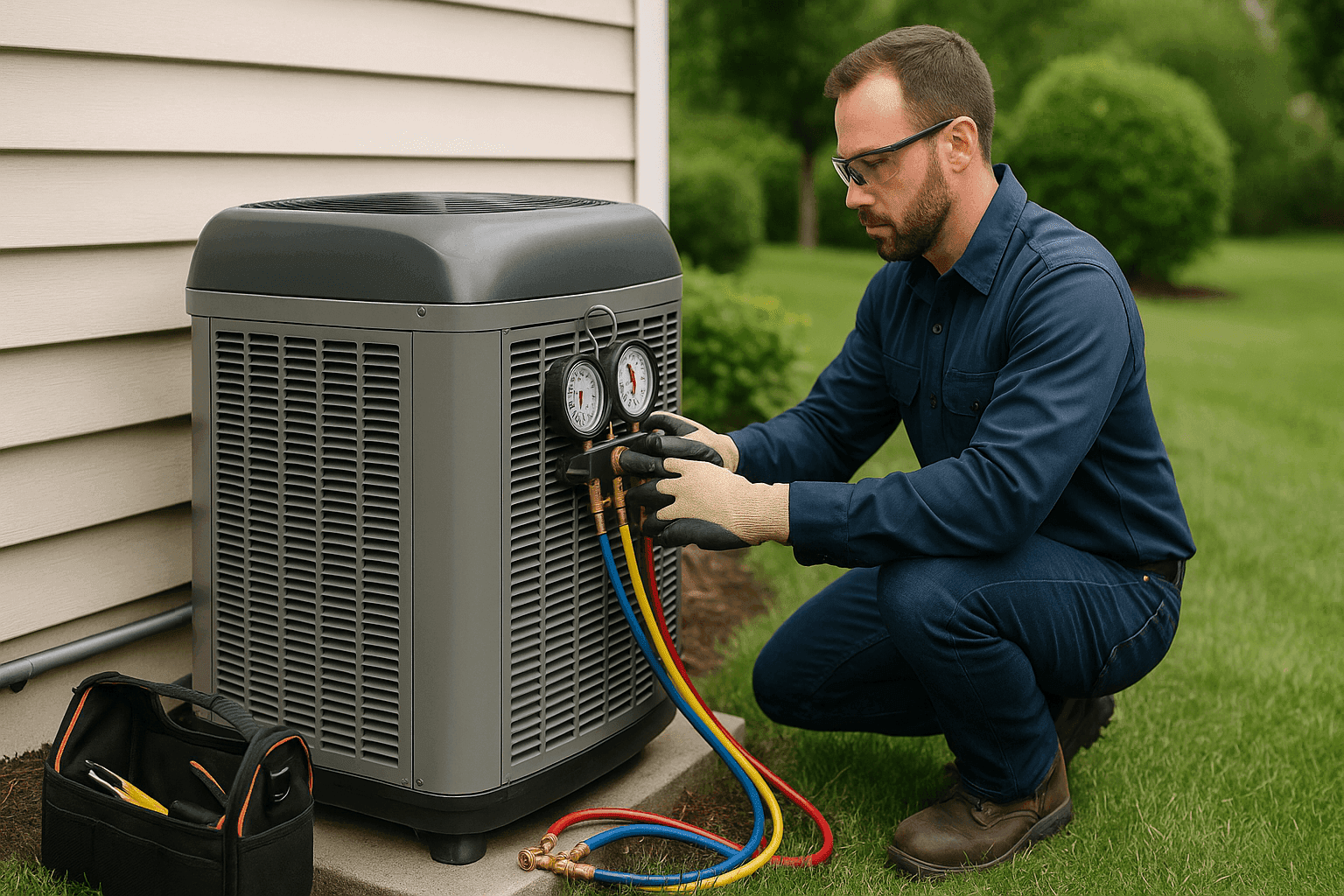
When your home feels like an oven in July, a broken AC is more than a nuisance—it’s urgent. At Heating, Cooling & Repair, we understand the stress of unexpected breakdowns, especially during heat waves when every hour counts. Our licensed technicians see it all, from the mysterious hums to the full system shutdowns. This guide is your trusted map through the most common cooling issues, safe DIY steps, and when to call for emergency HVAC help.
Common Signs Your AC Needs Repair 🛑
Air conditioners rarely fail without warning. The trick is noticing the signs early—before a small hiccup becomes a big headache. Here’s what homeowners often report:
- Warm Air Blowing: If it feels like your AC is just moving hot air around, you could be facing a refrigerant leak or a compressor failure.
- Weak Airflow: Sometimes, it’s like someone stuffed a pillow in your vents. Clogged filters, ductwork issues, or a failing blower motor are usual suspects.
- Strange Noises: Banging, rattling, or screeching isn’t normal. It might point to loose parts, motor failure, or debris in the system.
- Frequent Cycling: Is your AC turning on and off more often than usual? This can signal thermostat problems or electrical issues.
- Unusual Smells: Musty or burning odors may mean mold in your ducts or electrical troubles. Both need attention, fast.
- Higher Energy Bills: If your costs spike with no obvious reason, your AC could be working overtime behind the scenes.
According to the U.S. Department of Energy, most home cooling failures stem from airflow restrictions, electrical faults, or low refrigerant. Spotting these clues early can save you from a sweaty emergency.
DIY Troubleshooting Steps
Before calling for help, try these safe, practical checks. Think of it as checking your car’s oil before driving to the mechanic—not a deep fix, but sometimes all you need.
- Check Your Thermostat: Make sure it’s set to “cool” and the batteries are fresh. Sometimes, a simple setting is the culprit.
- Inspect Air Filters: Dirty filters choke airflow. Slide out your filter and hold it up to the light. If you can’t see through it, replace it.
- Examine Circuit Breakers: Has your AC tripped the breaker? Flip it back, but don’t force it if it trips again. This signals a deeper electrical issue.
- Clear Vents and Registers: Walk room to room. Make sure furniture, rugs, or drapes aren’t blocking airflow.
- Look Outside: Check your outdoor unit for debris—leaves, sticks, or even critters. Gently clear away anything blocking the fan or coils.
Safety note: Never open up electrical panels or handle refrigerant lines yourself. The National Fire Protection Association (NFPA) and EPA both advise leaving high-voltage or chemical repairs to licensed pros.
When to Call a Pro
DIY can only go so far. Here’s when it’s time to dial Heating, Cooling & Repair for emergency HVAC help:
- No Air at All: If your system won’t turn on and breakers are fine, it’s likely an electrical or control board problem.
- Ice on the Coils: Frozen coils may mean a serious refrigerant leak or airflow blockage. Running your AC in this state can damage the compressor.
- Burning or Electrical Smell: Shut off the unit and call immediately. Electrical fires are no joke.
- Loud Grinding or Screeching: These sounds often mean a motor or bearing failure. Running the unit risks further damage.
- Water Leaking Indoors: Drips or puddles near your system could indicate a clogged drain or broken condensate pump.
- Repeated Short Cycling: If your AC can’t maintain a stable cycle, you’ll need a diagnosis from a licensed technician.
As our certified techs say, “If it feels unsafe or you’re not sure, step back and let a pro handle it.” Your safety comes first.
Preventing Future AC Breakdowns 🛠️
A little routine care goes a long way. Here’s how to keep your cooling system humming all summer:
- Change Filters Regularly: For most homes, swap filters every 1–3 months. More often if you have pets or allergies.
- Schedule Seasonal Maintenance: An annual checkup by a licensed HVAC technician (per manufacturer’s guidelines and local code) can catch small problems before they blow up.
- Keep Outdoor Units Clear: Trim plants and keep at least two feet of space around your condenser.
- Monitor Your Thermostat: Smart thermostats help spot unusual cycling or temperature swings, giving you a heads-up.
- Have Ducts and Vents Cleaned: Dust and debris in ducts not only lower efficiency but can harm indoor air quality. Look for “duct cleaning near you” for local help.
- Test Your System Early: Don’t wait for the first heat wave. Run your AC in spring to spot problems while there’s still time to fix them.
Following the EPA’s residential HVAC recommendations means your system runs cleaner, safer, and can last longer.
What to Expect from a Technician Visit
First time calling for AC repair? Here’s what a standard visit from Heating, Cooling & Repair looks like:
- Arrival and Safety Check: Our techs confirm system power is off and review any immediate safety risks.
- System Diagnosis: Using specialized tools, we check refrigerant pressure, electrical connections, and airflow. We follow guidelines from the Air Conditioning Contractors of America (ACCA).
- Explain Findings: You’ll get a clear, jargon-free run-down of what’s happening, what needs fixing, and what your options are.
- Professional Repairs: With your approval, repairs begin—whether it’s swapping out a capacitor, sealing a refrigerant leak, or replacing a faulty thermostat.
- System Testing: After repairs, we run your AC through its paces to confirm everything is working as it should.
- Maintenance Tips: Before we leave, we’ll share practical advice for keeping your system running smoothly, tailored to your home and usage.
Our technicians are licensed, insured, and trained on all major HVAC brands. All work is done by the book—no shortcuts.
Local and Seasonal Considerations 🌡️
Air conditioning isn’t just about comfort—it’s about safety, especially during heat waves. When outdoor temperatures soar, indoor heat can rise to dangerous levels fast, especially for kids, seniors, or those with health conditions.
- Heat Wave Readiness: Schedule a checkup before peak summer. Emergency HVAC calls spike when the first big heatwave hits.
- Humidity Matters: High humidity makes your AC work harder. If you notice clammy air, ask about whole-house dehumidifiers or check for proper Air Balancing near you.
- Storm Season: Power outages and surges can damage AC components. Consider surge protectors and generator installation as preventative measures.
Frequently Asked Questions
How often should I have my AC serviced?
Most manufacturers and the U.S. Department of Energy recommend a professional tune-up once per year, ideally in spring.
Why does my AC freeze up?
Common causes include restricted airflow (dirty filters, blocked vents) or low refrigerant. Both require prompt attention.
Is it safe to run my AC with a strange noise?
It’s risky. Odd sounds often mean mechanical trouble. Shut it down and call a tech to avoid major damage.
Can I fix a refrigerant leak myself?
No. Handling refrigerant is regulated by the EPA for safety and environmental reasons. Only certified HVAC pros should make these repairs.
Final Thoughts
Whether it’s a quick fix or a late-night emergency HVAC call, knowing what to do when your AC falters keeps your home safe and comfortable. A little vigilance, safe troubleshooting, and timely professional help go a long way.
Call Heating, Cooling & Repair now — or reach us anytime at 888-831-6512 .